Morning Routine
Many people start with a glass of water within 30 minutes of waking as a simple way to begin the day after hours without fluids.
Learn how consistent water intake integrates naturally into your morning routine, workday, travel, and evening wind-down.
Drinking water consistently throughout the day is a common part of many people's daily routines. Rather than consuming large amounts at once, spreading your intake across the day may help you feel more comfortable as you go about your day.
The goal is not perfection but steady progress. Building a hydration routine works best when it fits seamlessly into your existing habits and schedule.
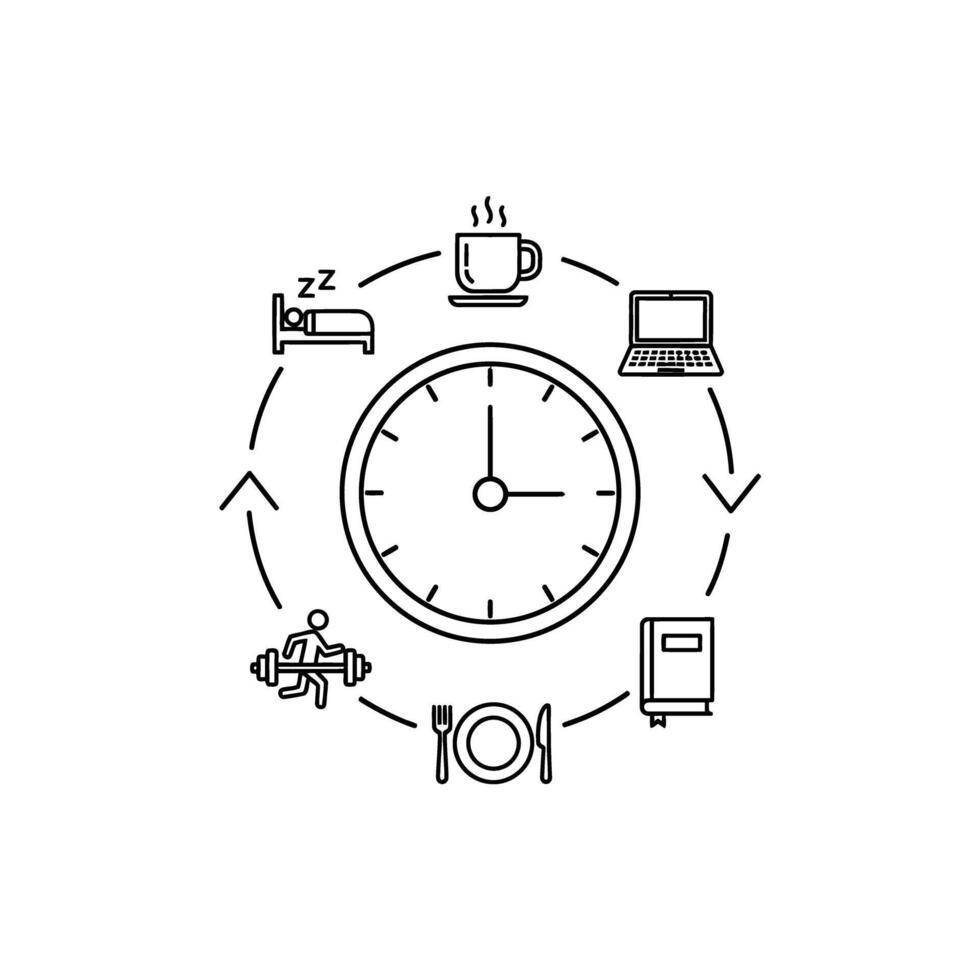
Different parts of your day call for different hydration approaches. Here is how to adapt your water intake to match your rhythm.
Many people start with a glass of water within 30 minutes of waking as a simple way to begin the day after hours without fluids.
Keep a water bottle at your desk and set gentle reminders every 45-60 minutes. Small, regular sips throughout the day often feel more comfortable than infrequent large drinks.
A glass of water 20-30 minutes before eating is a habit many people find comfortable. Moderate sipping during meals is generally fine for most people, though individual needs vary.
Air travel and climate changes may mean you want to drink a bit more than usual. Carry a refillable bottle and listen to your body's signals.
Before, during, and after physical movement, increase your water intake. Even moderate walks benefit from extra hydration.
Gradually reduce water intake 1-2 hours before sleep. A small sip is fine, but large amounts may interrupt rest.
Sustainable habits form through small, consistent actions rather than dramatic changes.
Attach drinking water to existing habits — a glass after brushing teeth, a sip before checking email.
Keep a water bottle in sight. Visible reminders reduce the effort needed to remember.
Simple tracking builds awareness. Even a basic tally creates accountability.
Missed a glass? Simply continue with your next scheduled intake. No guilt, no pressure.
All materials and practices presented are educational and informational in nature and aimed at supporting general well-being. They do not constitute medical diagnosis, treatment, or recommendation. Before applying any practice, especially if you have chronic conditions, consult a physician.